SOFTWARE PRODUCT DEVELOPMENT

...
Definition of Software Product Development

Software product development basically implies the deployment of a set of features in a software product tailored to meet certain needs of a market. Software product development is a repetitive logical process that aims to builds a programmed software product to mark a unique personal or business goal, process, or objective. It is mostly a planned strategy that comprises various stages or steps that result in the creation of an operational software product.
4 Basic Type of Software Products as per your Business Needs

  1. System Software Products : Systems software programs manage the resources of the computer system that help simplify application programming. They include software such as the operating system, database management systems, networking software, translators, and software utilities.
  2. Programming Software Products : Programming software also knows as development tools such as compilers, text editors, debuggers, linker are programs or set of programs which help software developers in creating, debugging, and maintaining other programs and apps.
  3. Application Software Products : Application Software is an application or product that can be used to perform tasks. Famous examples of application software are data management software, Office productivity suites, media players, etc.
  4. Embedded Software Products :Embedded System Software products are used to control machines and devices through telecommunications networks, industrial robots, cars, and more.

Why Software Product Development Matters?

As organizations grow, chances are that the same software systems or operations that used to function smoothly, in the beginning, may now be incompatible. So, Software product development plays a key role in the success of an organization to keep up with both demand and growth.

...

Furthermore, software product development is beneficial in the following ways:

  1. Optimizes Your Business Processes : Every business has a specific business model and in-house procedures. Altering these processes to suit a specific application or software product is not easy, irrespective of how efficient or powerful it is. Therefore, software product development should align with your model and unique in-house processes and procedures.
  2. Offers an Exclusive Solution : It something works for one business, might not work for others. Therefore, developing a customized software product for your organization ensures that it addresses exclusive procedures and activities as per your needs.
  3. Offers Competitive Edge : But how? Software product development solves many of your business problems and increases efficiency.So, being the only company in the industry, using a solution like this gives you a definite advantage over the competitors. What happens if your competitors are using the same software product? Well, it allows you to catch up with them and help you plan for technical improvements.
  4. A Custom Software Product is Highly Adaptable : The business processes are never stable, they constantly change. So, it becomes essential to adopt new technologies and processes that hold your marketing stronghold. Software product development helps you integrate the new technologies and processes to the existing software allowing you to stay abreast of any shifting in marketing trends.
...
Steps to Follow for Software Product Development Process plan:

The software product development process is a basic tool for facilitating a large number of people to work together on a collaborative development project. Using one ultimately results in fewer defects, drives shorter delivery times, and better value.

The software product development process consists of the following 7 steps:

  1. Ideation and planning : Everything starts with a great idea! But that idea needs to be carefully thought over in order to be executed. Careful planning is the first and foremost step of software product development as it presupposes deciding the scope of the project, explaining means and ways for the new software system to meet business model objectives, cost-related issues, resource availability, and timelines.
  2. Requirements and feasibility analysis : During this stage of software product development, the project is defined in a detailed analysis of and how the project’s feasibility is carried out. To build an actionable solution, catchy design, and clean code are not enough, you first need the developers to get an in-depth understanding of the project objective and requirements. Requirements and feasibility analysis showcase all the technical as well as economical aspects that affect the software development process. It helps identify the risks at the beginning so that risk mitigation strategies can be worked out.
  3. Design : Software product design is a prominent aspect of the development process. The actual conceptualizing of the software system is created during the design stage, that is the structured software architecture meeting specific project requirements is created. A tailored software product design by developers sets definite workflows and standards. The whole software structure is built with the final prototype and mockups used for the next stages of the software product development process. Once the design is identified it’s time to move to the very development.
  4. Development & coding : The development stage is all about writing code and turning design documentation into the actual software within the software product development process. This stage development is the longest as it’s the backbone of the whole process. The software developers make sure their code meets the software requirements specifications, conforms to the stakeholders’ requirements, etc.
  5. Integration and testing : Now that the software is developed and completed the next step involves integration starts and system testing. The Quality Assurance (OA) team conducts a series of tests including systems integration, functionality testing, and interoperability along with user acceptance testing. This is to make sure the code is clean and the business goals of the solution are met.
  6. Implementation and deployment : This is a step that includes the installation of the build software system. It’s a step-by-step procedure based on the implementation plan. The newly built and tested software system is moved to production and transfer for the specific changes to be deployed.
  7. Operations and maintenance : The very last phase of the software product development lifecycle involves regular updates and maintenance of the software product. This step is treated with the utmost attention since during this stage product is polished, enhanced, upgraded, and fine-tuned according to the real-world feedbacks on its performance within this stage.

Different Software Product Development Methodologies

There are different software product development methodologies in the market today, each offering a different set of advantages: from minimized risk to improved process efficiency and continuous iterations to enhanced scalability. Here’s a look at the 4 most popular software product development methodologies – waterfall, agile, scrum, Incremental and Iterative– and see which fits the best for your business needs best.

...
...
Waterfall

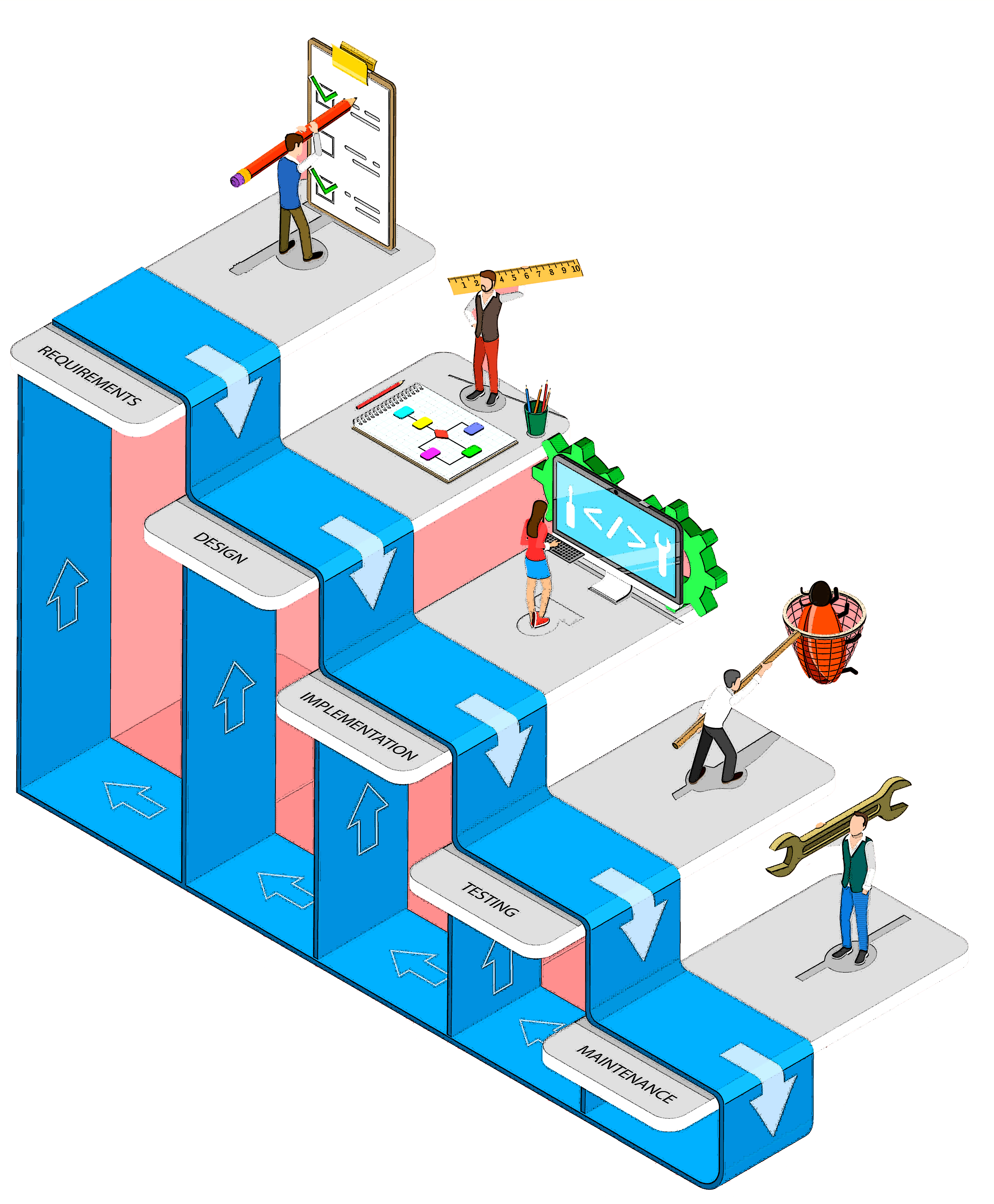
This is one of the earliest software product development methodologies, the waterfall model assimilates a series of sequential stages: from conception to maintenance. Since this model ensures well-defined goals are achieved, it is best for projects where demands are clear and accurate documents that describe how the system is to be produced.

Agile

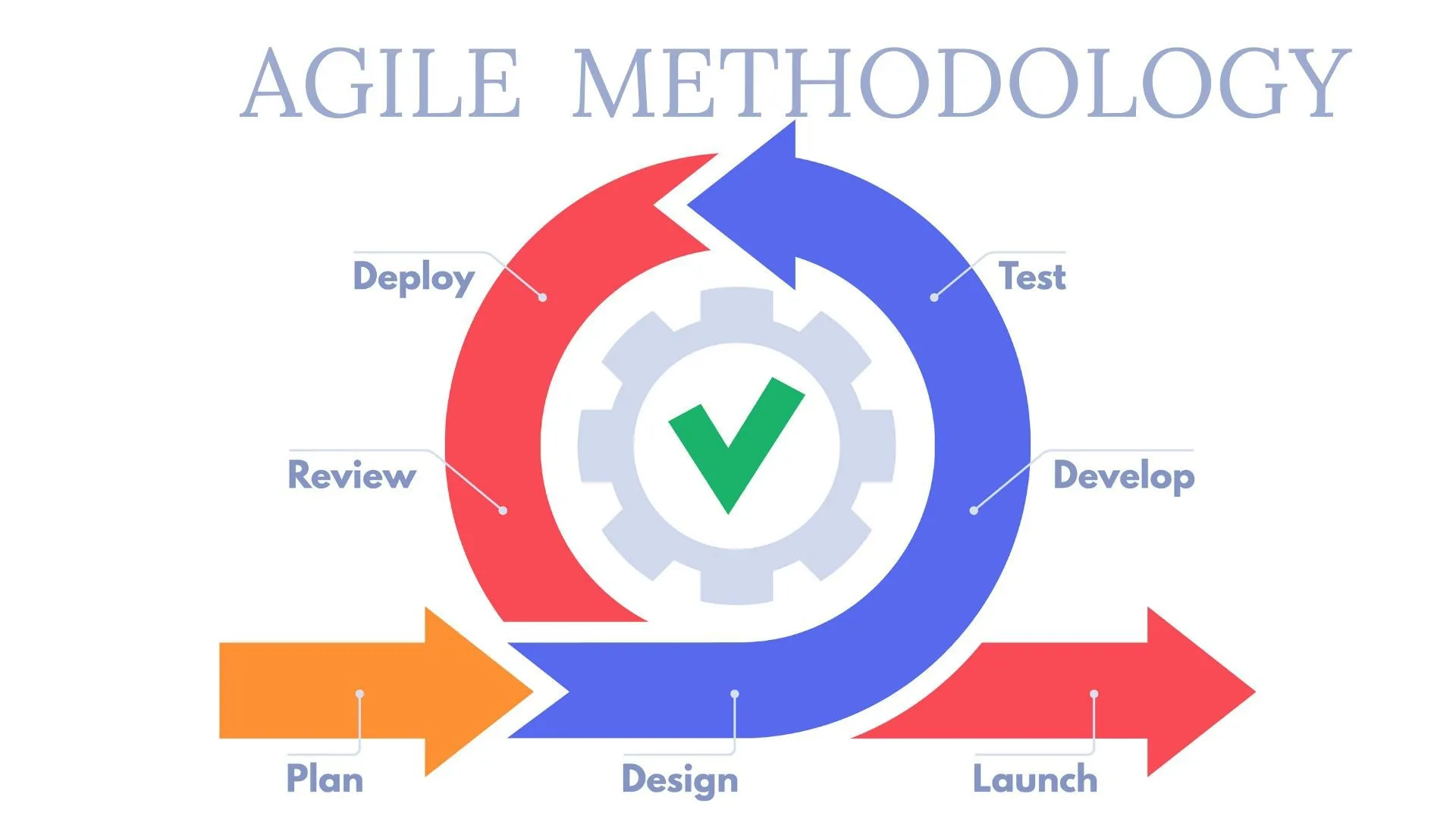
The agile methodologies are where new updates & releases of the software product are created, and made available to customers every few weeks.

...
...
Scrum

Scrum, is a subset of Agile methodologies, it is used to manage the software product development process at the macro level. It follows the principles and values of agile; plus, it covers further specification and definition by considering some important software product development practices. This approach is best suitable for software products with changing demands.

Incremental and Iterative

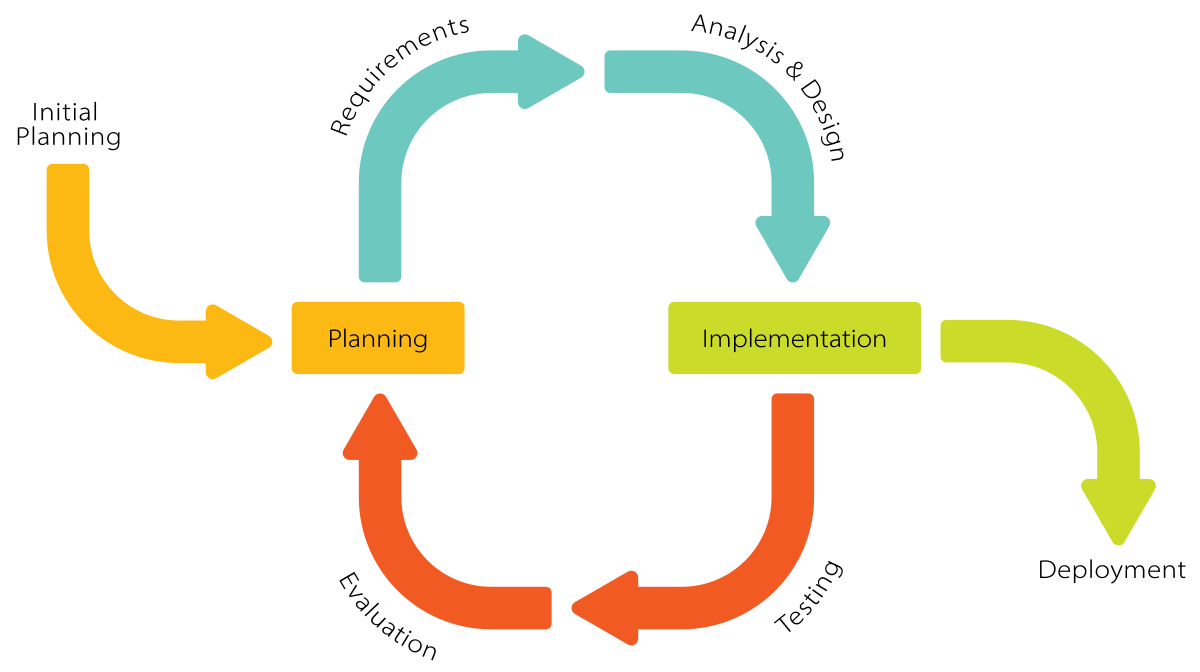
The incremental and iterative software product development approach is like a center ground between the upfront planning of the Waterfall process and the flexibility of the Agile process. While both follow the idea of creating bits of software and exposing them to customers for feedback, however, they differ in what you create during each release.

...

Importance of software documentation in software development!

Along with software products, software documentation is a significant part of the software development lifecycle and keeps everyone in the loop is an awesome software documentation tool that teams across the world are using.

Terms of Use | Privacy Policy
© Adhanam 2022. All Rights Reserved.